
Restorative
Cavity Treatment in Lynnwood, WA
Cavities are one of the most common dental problems — and highly treatable when found early. Dr. Megha Sheth provides thoughtful, practical cavity treatment at Planet Family Dental.
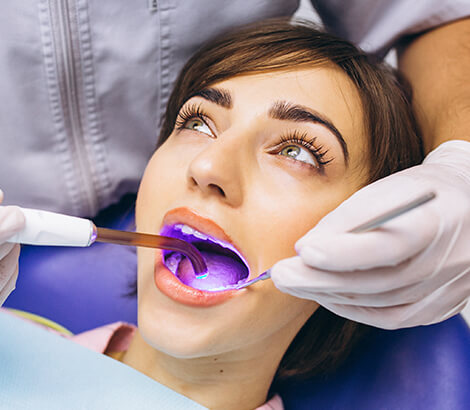
Understanding Cavities
If you are looking for cavity treatment in Lynnwood, WA, you are not alone. Cavities are one of the most common dental problems people face, and they can affect children, teens, and adults alike. The good news is that cavities are highly treatable, especially when they are found early. At Planet Family Dental, we help patients restore damaged teeth, relieve discomfort, and protect their smiles without judgment.
Many people feel embarrassed when they hear they have a cavity, but there is no need. Cavities happen for many reasons, including diet, oral bacteria, dry mouth, past dental history, and how teeth are shaped. Dr. Megha Sheth and our team provide thoughtful, practical treatment for patients in Lynnwood, WA and surrounding areas such as Edmonds, Shoreline, Mountlake Terrace, and Bothell.
Key takeaway: Early cavity treatment is more comfortable, more conservative, and more affordable than waiting until the problem becomes severe.
What Causes Cavities?
Cavities develop when bacteria in the mouth feed on sugars and starches, producing acids that gradually wear down tooth enamel.
🦠 Plaque Buildup
Plaque is a sticky film that forms daily. If not removed with brushing and flossing, it gives bacteria more time to produce acid.
🍬 Diet
Frequent snacking, sugary beverages, and poor oral hygiene speed up the decay process significantly.
💧 Dry Mouth
Reduced saliva means less natural protection. Certain medications and conditions can cause dry mouth.
🔬 Tooth Anatomy
Deep grooves on chewing surfaces can trap food and bacteria. Past dental work and gum recession also increase risk.
Even patients who brush regularly can still develop cavities, especially between teeth or around old fillings. Cavities often start silently, long before you can see or feel them.
Symptoms of Cavities
Early cavities may not cause any symptoms at all. As they grow, you may notice changes that signal it is time for treatment.
Sensitivity to cold, heat, or sweets
Visible holes or pits in a tooth
Brown, black, or white spots on enamel
Food getting stuck in the same place
Sharp pain when biting down
Bad breath from trapped decay
When pain is present, the cavity may be deeper and closer to the nerve. That does not always mean the tooth cannot be saved, but it does mean it is wise to have it checked soon.
Treatment Options for Cavities
The best treatment depends on how early the decay is found and how much tooth structure is involved.
Small to moderate cavities — Dental fillings restore shape and function.
Larger cavities — A dental crown covers and protects weakened teeth.
Decay reaching the nerve — Root canal treatment removes infection and saves the tooth.
Severely damaged — Tooth extraction may be the healthiest option.
Very early stages — Fluoride treatments or sealants may slow or stop progression.
What to Expect During Cavity Treatment
We start with a careful exam and any needed X-rays to find visible decay as well as hidden areas between teeth or under old restorations. We then talk you through what we see and explain the recommended next steps.
For a filling, the appointment is usually straightforward. We numb the area, remove decayed tooth structure, clean the space, and place the restorative material. Many patients are relieved to find that treatment is easier than they expected.
Dr. Megha Sheth takes time to answer questions and explain why treatment is recommended. We also discuss timing and costs honestly so you can plan in a way that feels manageable and affordable.
Why Early Cavity Care Matters
Tooth decay does not heal on its own. Once enamel has broken down, the damaged area usually continues to grow unless it is treated. The longer you wait, the more likely the tooth will need a larger filling, a crown, or root canal treatment.
💡 Tip: Treating decay early is the most affordable path because it prevents more extensive damage later. Small restorations are simpler and quicker than larger procedures.
Preventing Cavities
Prevention matters just as much as treatment. A strong daily routine and regular dental visits can make a big difference.
- Brush twice daily with fluoride toothpaste
- Floss every day to clean between teeth
- Limit sugary snacks, sticky candies, and frequent sipping on sweet drinks
- Drink water throughout the day
- Ask about fluoride treatments if you are prone to decay
- Ask whether sealants are a good option
- Keep up with routine dental exams and cleanings
Insurance and Payment Options for Cavity Treatment in Lynnwood, WA
🛡️ Insurance
We accept most major PPO dental insurance plans and work with your provider to maximize your benefits.
💳 No Insurance?
We offer a membership plan and flexible payment options to make care accessible.
Get Affordable Cavity Treatment Near You
Planet Family Dental offers quality cavity treatment at our convenient Lynnwood, WA location.
🕒 Office Hours
Mon 8:00 AM – 4:00 PM • Tue 9:00 AM – 6:00 PM • Wed 7:00 AM – 3:00 PM • Thu 7:00 AM – 3:00 PM • Fri Closed • Sat 9:00 AM – 5:00 PM * • Sun 9:00 AM – 5:00 PM *Cavity Treatment FAQs
Early cavities often have no symptoms. As they grow, you may notice sensitivity to hot, cold, or sweets, visible holes or dark spots, pain when biting, or food getting stuck in the same spot repeatedly.
No. Once enamel has broken down, the damage does not reverse. Very early demineralization may be slowed with fluoride, but an actual cavity requires professional treatment.
Modern fillings are very comfortable. Dr. Sheth uses local anesthesia to numb the area. Most patients feel only minor pressure during the procedure.
Cost depends on the size of the cavity and the treatment needed. A small filling costs less than a crown or root canal. We accept most PPO insurance and offer a membership plan for uninsured patients.
Brush twice daily with fluoride toothpaste, floss daily, limit sugary foods, drink water, and keep up with regular dental exams and cleanings.
Schedule Your Cavity Treatment Today
Compassionate, practical care with an emphasis on keeping treatment affordable.