

Understanding wisdom teeth removal cost in Lynnwood
Wisdom teeth removal cost in Lynnwood, WA depends on the care your teeth need. A tooth that has fully come through the gums may be simpler to remove than one trapped beneath gum tissue or bone. The number of teeth being treated and your anesthesia plan also affect the total.
At Planet Family Dental near Alderwood Mall, Dr. Megha Sheth, D.D.S., evaluates and treats wisdom teeth concerns. We also welcome patients from Edmonds and Mountlake Terrace. Your visit helps answer whether removal is needed and which approach is suitable.
There is no single fee that fits every case. Ask for a complete estimate that identifies the recommended procedures and what is included. We accept most major PPO plans, offer a membership plan for uninsured patients and payment plans, and provide a written estimate first.
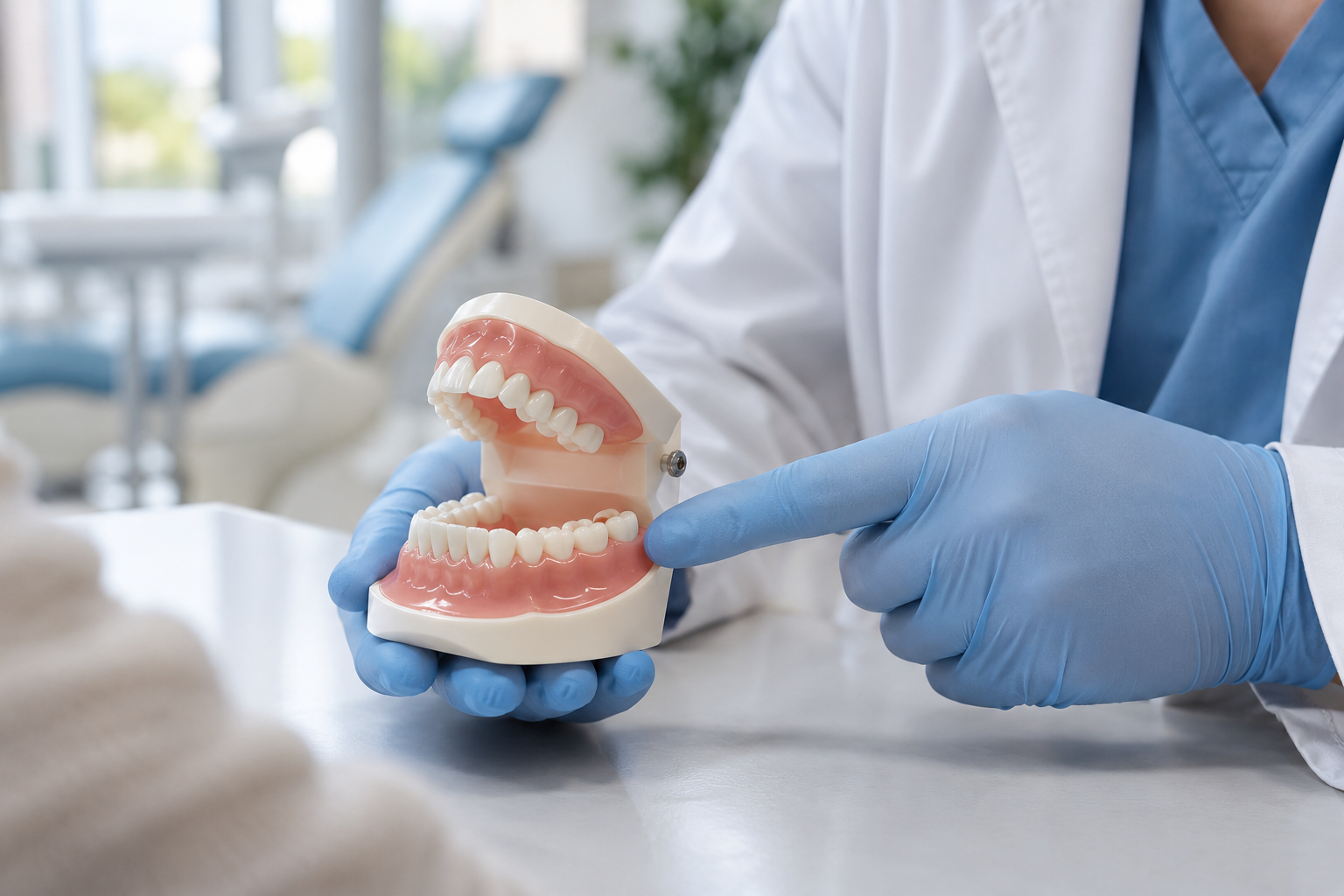
What affects your wisdom teeth removal cost?
- Erupted or impacted: An erupted tooth is visible above the gums. An impacted tooth is partly or fully trapped and may require opening the gum, removing bone, or dividing the tooth before removal.
- Number of teeth: Each tooth needs its own assessment. Treating several teeth together or in separate visits may change the overall plan.
- Roots and nearby structures: Curved roots or roots close to a nerve or sinus may make removal more involved.
- Imaging: X-rays help assess tooth position. Additional imaging is recommended only when it can help answer a clinical question.
- Anesthesia: Local anesthesia numbs the area. Sedation can help with anxiety and may add fees; suitable options depend on your health and treatment.
Our tooth extraction service explains the treatment process. Most major PPO plans are accepted; we explain membership options for uninsured patients and payment plans and provide a written estimate before treatment.
| Factor | Erupted tooth | Impacted tooth |
|---|---|---|
| Position | Fully through the gums | Partly or fully under gum/bone |
| Typical approach | Often a simple extraction | May need gum opening, bone removal, or sectioning |
| Visit complexity | Usually shorter | Often more involved |
| Effect on estimate | Lower end of your range | Higher end of your range |

Insurance and payment options for Lynnwood patients
Your insurance share depends on your specific plan. Accepting PPO insurance does not always mean a dentist participates in your plan's network. Our team helps check that distinction before you proceed.
- Benefits: Your deductible, coverage rules, allowed fees, and remaining annual benefit affect what insurance may pay. Sedation can have separate requirements.
- Membership: For uninsured patients, compare the membership fee with the savings available for your proposed care. Membership is not insurance, and you should confirm which services qualify.
- Payment plans: Spreading payments over time can help with budgeting. Review interest, fees, repayment terms, and approval requirements.
To compare options, request estimates covering the same teeth, imaging, anesthesia, and follow-up care. Check our payment information for available arrangements. Most major PPO plans are accepted, a membership plan is available for uninsured patients, and payment plans can be discussed before you approve your written estimate. Insurance estimates remain subject to the insurer's final claim decision.
We accept most major PPO plans and check your specific network benefits before treatment.
Not insurance — a yearly plan for uninsured patients with savings on covered services.
Spread the cost over time. We review terms and any approval requirements with you.
A clear plan starts with a conversation.
We'll help you understand your treatment and payment options.
How we handle this at Planet Family Dental
Dr. Megha Sheth reviews your symptoms, health history, medicines, and concerns before examining your wisdom teeth. Imaging helps assess their position and nearby structures. She then explains whether monitoring or removal makes sense for each tooth.
Healthy wisdom teeth that fit properly, work well, and can be cleaned may remain with regular checks. Pain-free teeth still need evaluation because decay, gum disease, or damage to a neighboring tooth can develop without obvious symptoms. Repeated infections, unrestorable decay, cysts, or nearby tooth damage may support removal.
Suitable cases can be treated in our office. A referral is considered when difficult anatomy, significant medical concerns, or anesthesia needs require specialist care. Referral is not automatic for every wisdom tooth. Our wisdom teeth removal service includes discussing treatment risks, comfort options, and aftercare before you decide.
Recovery: what to plan for
Recovery depends on how involved the removal was, how many teeth were treated, and your overall health. Some people resume light activities the next day, while more difficult removals may require several days of rest. Soreness, swelling, or jaw stiffness can last up to two weeks. Deeper healing continues after you feel better.
- Protect the clot: Avoid straws, smoking, and forceful rinsing. The blood clot protects the socket while healing begins.
- Choose gentle foods: Start with soft foods and drink water. Follow instructions about when to add firmer foods.
- Follow your care plan: Use medicines as directed and ask when to begin gentle rinsing, clean near the socket, and resume exercise.
- Arrange support: Sedation may require an adult escort and restrictions on driving or work.
Follow your own discharge instructions and contact the treating dentist if symptoms worsen instead of improving.
When wisdom tooth symptoms need prompt attention
Contact a dentist promptly if wisdom tooth pain is worsening, your face is swelling, or you develop fever or a bad taste with discharge. Difficulty opening your mouth also deserves attention. These symptoms need an assessment rather than waiting for a routine checkup.
Our emergency dental care team can assess urgent concerns and explain the next step. An urgent visit does not always mean immediate extraction; treatment depends on the examination, your health, and what can be safely provided.
After removal, contact the treating dentist for bleeding that does not stop with the instructed pressure, severe or increasing pain, fever, or worsening swelling. Pain that becomes stronger after initially improving can signal a healing problem.
Seek emergency medical care immediately if swelling affects breathing or swallowing or spreads toward your eye or neck. Do not wait for a dental appointment.
A FEW MORE ANSWERS
Questions on your mind?
A little more information to help you feel prepared.