
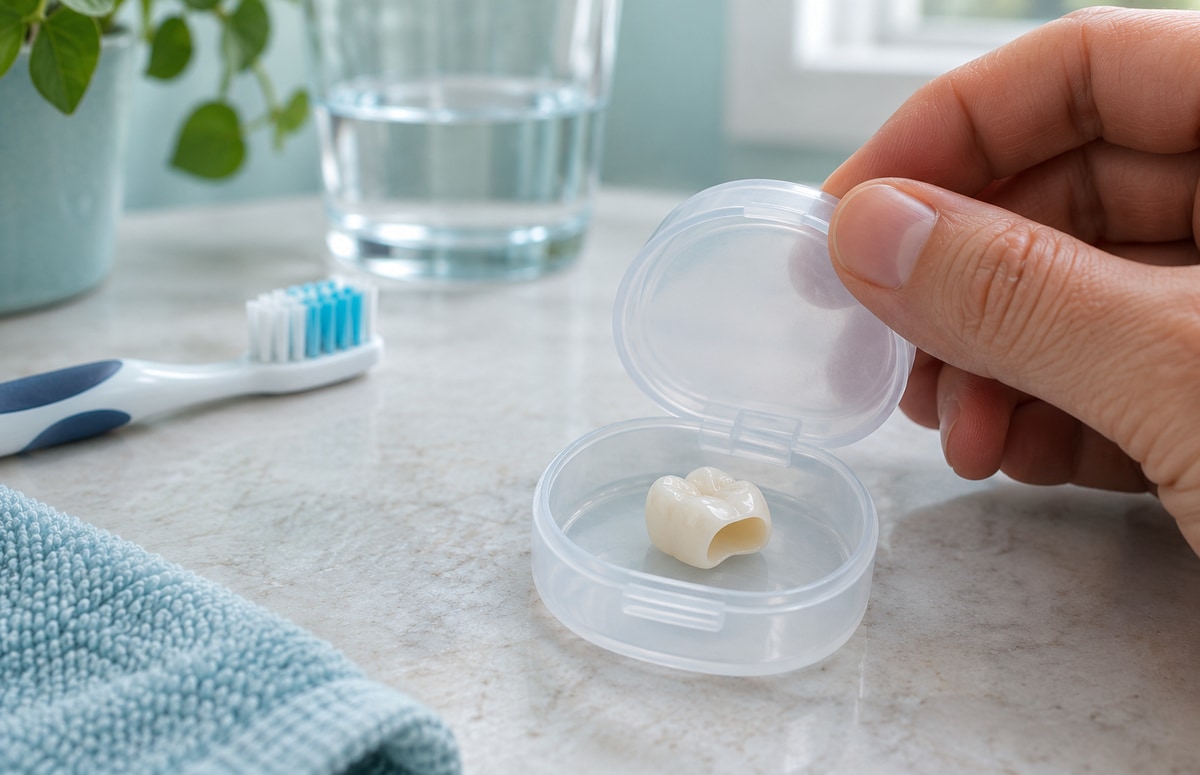
Crown fell out in Lynnwood? Start here
If your crown fell out or you lost a filling, keep the crown, protect the tooth, and call a dentist soon. This usually needs prompt dental care rather than a hospital emergency visit, unless warning signs are present. Exposed tooth can become sensitive, decay, or break.
Dr. Megha Sheth, D.D.S., treats lost crowns and fillings at Planet Family Dental in Lynnwood, WA, near Alderwood Mall. An exam can show whether the old crown can be secured again or the tooth needs another repair.
- Notice your symptoms: Tell the team about pain, sensitivity, swelling, bleeding, or a sharp edge. Mention whether part of the tooth appears attached to the crown.
- Keep the loose piece: A crown is a cap over a tooth; a filling replaces a smaller area. Save either piece if you find it, but do not delay calling while searching.
- Check for danger: Possible inhalation or trouble breathing or swallowing needs emergency medical care now. Call emergency services for breathing difficulty.
No pain does not prove the tooth is healthy. Contact the office when it opens, and let the team decide how soon you should come in.
- Save the crownKeep it in a clean container and bring it to your visit.
- Protect the toothRinse gently and avoid chewing on the affected side.
- Call the dentistDescribe your symptoms so the team can advise when to be seen.
What to do during the next hour
Start with gentle care, not a home repair that could damage the tooth. If the crown is completely out, keep it outside your mouth until you receive advice. Do not pull at anything still attached.
- Save and rinse: Gently rinse the crown with water and put it in a clean, covered container. Rinse your mouth gently with lukewarm water, then brush carefully around the area.
- Look for rough edges: Use a mirror to notice anything catching your cheek or tongue. Do not file the tooth, scrape inside the crown, or probe the opening with tools.
- Reduce pressure: Eat soft foods and chew on the other side. Avoid sticky or hard foods and very hot, cold, or sweet foods that trigger sensitivity.
- Ask about temporary coverage: Pharmacy dental cement or temporary filling material may protect an exposed area briefly. Choose a product intended for that use and follow its package directions. Ask a pharmacist or dentist if unsure.
A temporary kit cannot treat decay or a crack. Do not force a crown into place, and stop if a product causes pain or changes your bite. If you need an over-the-counter pain reliever, use it only as labeled and only if safe for your health conditions and medicines.
Keep the crown safe, rinse gently, protect the tooth from chewing, and call for dental advice.
Do not use superglue or household adhesives, force the crown on, or leave a loose crown in your mouth while eating or sleeping.
When a lost crown or filling needs urgent care
The safest timing depends on your symptoms, not just the missing repair. Call promptly for advice; the guide below helps you describe the problem. It is not a guarantee that waiting is safe for every tooth.
- Increasing pain or damage: A broken tooth, pain when biting, or pain that disrupts sleep needs a same-day dental call. Seek urgent help if severe pain is not controlled.
- Swelling or fever: Arrange urgent assessment the same day. Swelling reaching the eye or neck, or trouble swallowing or breathing, needs an emergency department now.
- A swallowed crown: Many small objects pass through the digestive tract, but contact a medical professional promptly for advice. A sharp edge or attached post needs urgent assessment. Stomach pain, bloody or black stools, or trouble swallowing requires emergency medical care.
- A possibly inhaled crown: Sudden coughing, wheezing, or breathing trouble after it disappears may mean it entered the airway. Seek emergency care now, even if coughing settles; call emergency services for breathing difficulty.
If the office is closed, check its recorded instructions. Do not wait for opening hours when emergency signs are present. A hospital can assess dangerous symptoms; a dentist handles the tooth repair afterward.
| Situation | How soon to act |
|---|---|
| Crown off or filling lost, without pain, swelling, or breakage | Call when the office opens; after triage, a visit within a few days may be appropriate. |
| Sharp edge or mild sensitivity | Call for next-day assessment; sooner if the edge is cutting tissue or symptoms worsen. |
| Tooth broke with the crown, persistent pain, or pain when biting | Call the same day; uncontrolled severe pain needs urgent advice now. |
| Facial swelling or fever | Seek same-day urgent dental or medical assessment. |
| Possible inhaled crown, eye or neck swelling, or trouble breathing or swallowing | Emergency department now; call emergency services for breathing difficulty. |
A clear plan starts with a conversation.
We'll help you understand your treatment and payment options.
Why crowns and fillings come loose
A crown or filling can loosen for several reasons. The food you were eating may have revealed an existing weakness rather than caused the whole problem. Finding the cause helps the dentist choose a repair that suits the tooth.
- Decay underneath: A crown does not make the natural tooth immune to cavities. Decay near its edge can weaken the tooth supporting it. A filling can also loosen as nearby tooth structure breaks down.
- A worn seal: Dental cement or the bond holding a repair may weaken over time. The dentist must check the tooth and fit before simply securing the piece again.
- Chewing forces: Grinding, clenching, hard foods, or sticky foods can stress a restoration. Tell the dentist about jaw soreness or a habit of chewing ice.
- A cracked tooth: Sometimes the crown is intact but part of the tooth has broken inside it. That changes which repairs are possible.
Waiting leaves the exposed area harder to protect and can allow further decay or breakage. Sensitivity may come and go, so feeling better does not mean the seal has returned. Keep the appointment even if temporary coverage makes the tooth comfortable.
What the dentist checks and how repairs work
The visit starts with an exam and a discussion of what happened. The dentist may take X-rays to check for decay or problems around the root, assess the gums, and test the tooth when needed. Imaging helps, but not every crack is visible on an X-ray.
- Reusing the crown: If both crown and tooth are sound, the dentist can clean them, check the fit and bite, and secure the crown with dental cement. Reuse is not always possible.
- Replacing a filling: A smaller damaged area may need decay removal and a new dental filling. Loose filling fragments are generally replaced rather than glued back.
- Covering a larger defect: Inlays and onlays can restore selected areas that need more support than a filling. A weakened tooth may instead need a new dental crown.
- Treating the inside: If the tooth pulp is badly inflamed or infected, root canal treatment may be needed before the final repair.
Local anesthesia can keep treatment comfortable when needed. Some visits provide a temporary repair first. Ask what is temporary, how to eat afterward, and when to return for the final restoration.
How we handle this at Planet Family Dental in Lynnwood
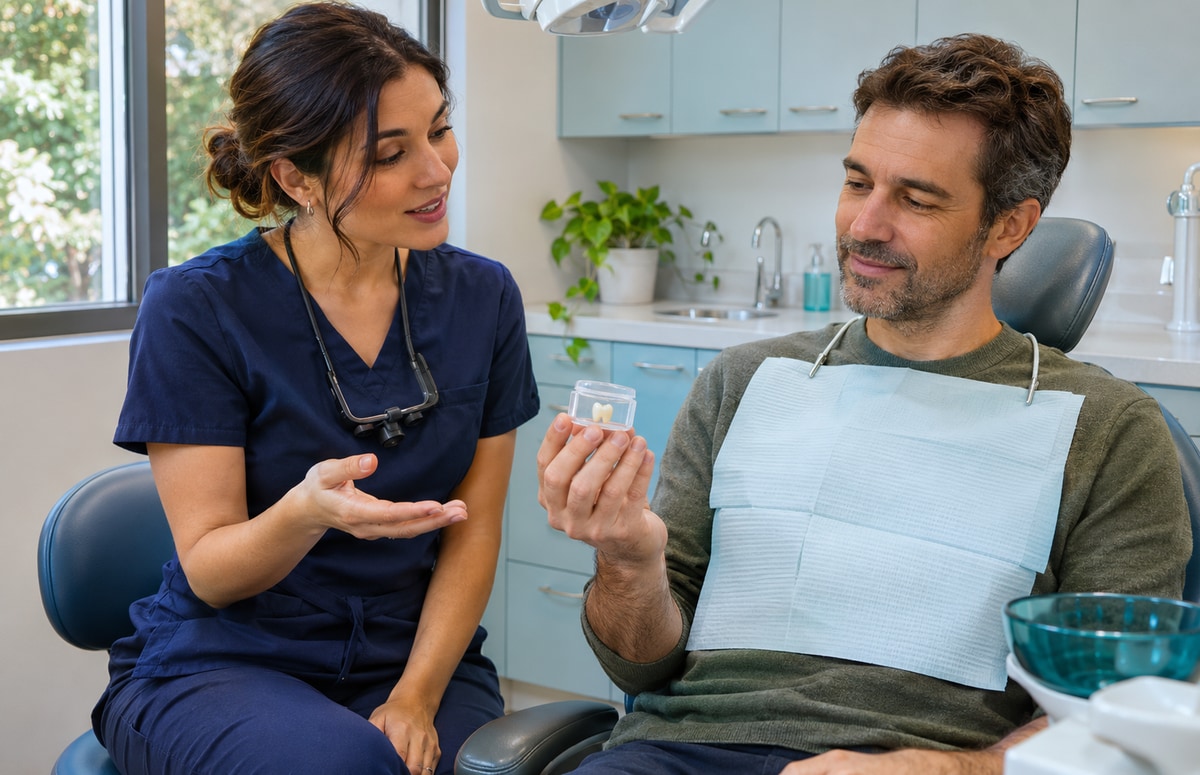
Dr. Megha Sheth evaluates the tooth, explains the findings, and discusses repair options with you. We welcome patients from Edmonds and Mountlake Terrace as well as Lynnwood. When you call, describe your symptoms and whether you still have the crown.
Dr. Sheth offers same-day visits for severe pain, with availability confirmed by the team. Our emergency dental care and toothache relief pages explain the care we provide.
- A written estimate first: Treatment needs vary by case. We provide a clear written estimate before treatment and explain whether a temporary repair or further visits are included.
- Insurance and payment choices: Most PPO plans are accepted, with a membership option for uninsured patients and payment plans available. Review payment options and ask the team to confirm coverage, eligibility, and terms.
- Aftercare you can follow: Ask when chewing can resume and what symptoms need another call. Report a bite that feels too high, worsening pain, or new swelling.
Once the tooth is repaired, careful brushing, cleaning between teeth, and regular dental checks help protect it. Mention grinding or clenching so the dentist can discuss ways to reduce stress on the repair.
A FEW MORE ANSWERS
Questions on your mind?
A little more information to help you feel prepared.